
Once shoppers have tasted a yoghurt, smelled a perfume or tried a cream, they no longer have to guess whether the product is right for them. That is why in-store tastings and beauty sampling remain some of the simplest promotions a brand can run: a short conversation, a sample, and the decision is made at the shelf. Sampling is also one of the most common forms of brand activation: direct contact with customers that a brand can plan, measure and repeat.
Good sampling is about more than the product. It is the place, the people and the plan that make shoppers stop.
This guide shows you how to run product sampling step by step, in store and at events, with product sampling ideas and in-store sampling ideas for food, drink and beauty brands.
What product sampling is and when it works
Product sampling means giving out samples or small portions so people can try a product before they buy it. It can take many forms: tastings for food and drink, testers and take-home samples for beauty and fragrance, and, for example, product demos for electronics or homeware.
Sampling works best when:
- the product is new to the market or to a retail chain,
- it is hard to describe on a label (taste, scent, texture),
- it costs more than the competition and you need to show what shoppers are paying for,
- the brand is moving into a new channel, for example from e-commerce to physical stores.
Sampling also works well before a bigger launch, when you want feedback from real customers.
Sampling is one of the most popular forms of brand activation. What activations usually have in common is this: customers don’t just see the brand, they interact with it. A tasting, a product demo, a launch or a pop-up are different formats of the same idea.
Why do brands build sampling into their activations?
- Shoppers move from “I know it” to “I’ll buy it”. They may recognise the brand from ads, but a sample gives them a reason to pick the product off the shelf.
- The brand gets feedback straight away. You hear reactions, questions and objections live, not weeks later from surveys and sales reports.
- Face-to-face conversation builds trust. Customers meet the people behind the brand, can ask anything and get an answer on the spot. The brand becomes more than a logo on a pack.
How to do product sampling in store: step by step
- Set a goal and a way to measure it. Sales during the promotion, samples handed out, discount codes, newsletter sign-ups. Without a goal, it is hard to tell whether your product sampling campaign paid off.
- Agree the promotion with the store. The store manager or the chain’s trade marketing team approves the date, location, booth size and rules. Ask about power, water and space for stock. Also check that the store has ordered enough of the product: a shopper who likes the sample must be able to find it on the store shelf straight away.
- Choose the spot and the hours. Next to the product’s shelf or on the main aisle works best. The store is the best source for its busiest days and hours.
- Plan samples and stock. Work out how many portions, testers or take-home samples you will use per hour, and prepare stock for the whole day. For food, prepare ingredient and allergen information; for beauty, ingredients and directions for use.
- Check the rules. Food comes with hygiene and allergen information rules, and staff serving food may need health documents. With beauty products, tester hygiene matters: disposable applicators, cotton buds and sanitiser. Alcohol tastings are restricted or banned in many countries, so check local law before you plan.
- Train the team. Whoever runs the booth should know the product, the price, where it sits on the shelf and the answers to common questions. A short script is enough: greeting, sample, one key message, pointing to the shelf.
- Set up the booth and materials. Logo visible from a distance, a clear price and offer, a tidy counter. Bin, napkins, applicators and stock go under the counter, out of sight.
- Collect data on the day. Samples handed out, shopper questions, that day’s sales. These notes help you plan your next in-store promotion and judge how well this one worked.


Sampling and brand activation at events: what changes
A festival, launch, conference or store opening is a different setting from a normal day in a supermarket.
- Guests are not there to shop. Instead of quick sales, other things matter: showing the product, building a relationship and positive associations with the brand, plus contacts and social media reach.
- More brands compete for attention. The booth has to be visible from a distance and instantly linked to your brand.
- Logistics can be harder. Transport, setup, and often no fixed power supply.
- Plan your booth staffing. Work out how many guests one team member can serve per hour, and use that to decide how many people you need on each shift. At peak times, one extra person is better than a queue that puts guests off.
Give guests a reason to stay longer. For beauty, it could be shade matching or a short consultation; for electronics, a hands-on test; for food, a coffee or a small snack. Other sampling event ideas and sampling booth ideas that work: a photo spot with your logo, a short quiz or prize draw, a mini workshop and on-the-spot personalisation (such as engraving, monograms or a custom flavour blend).
How to choose a product sampling booth
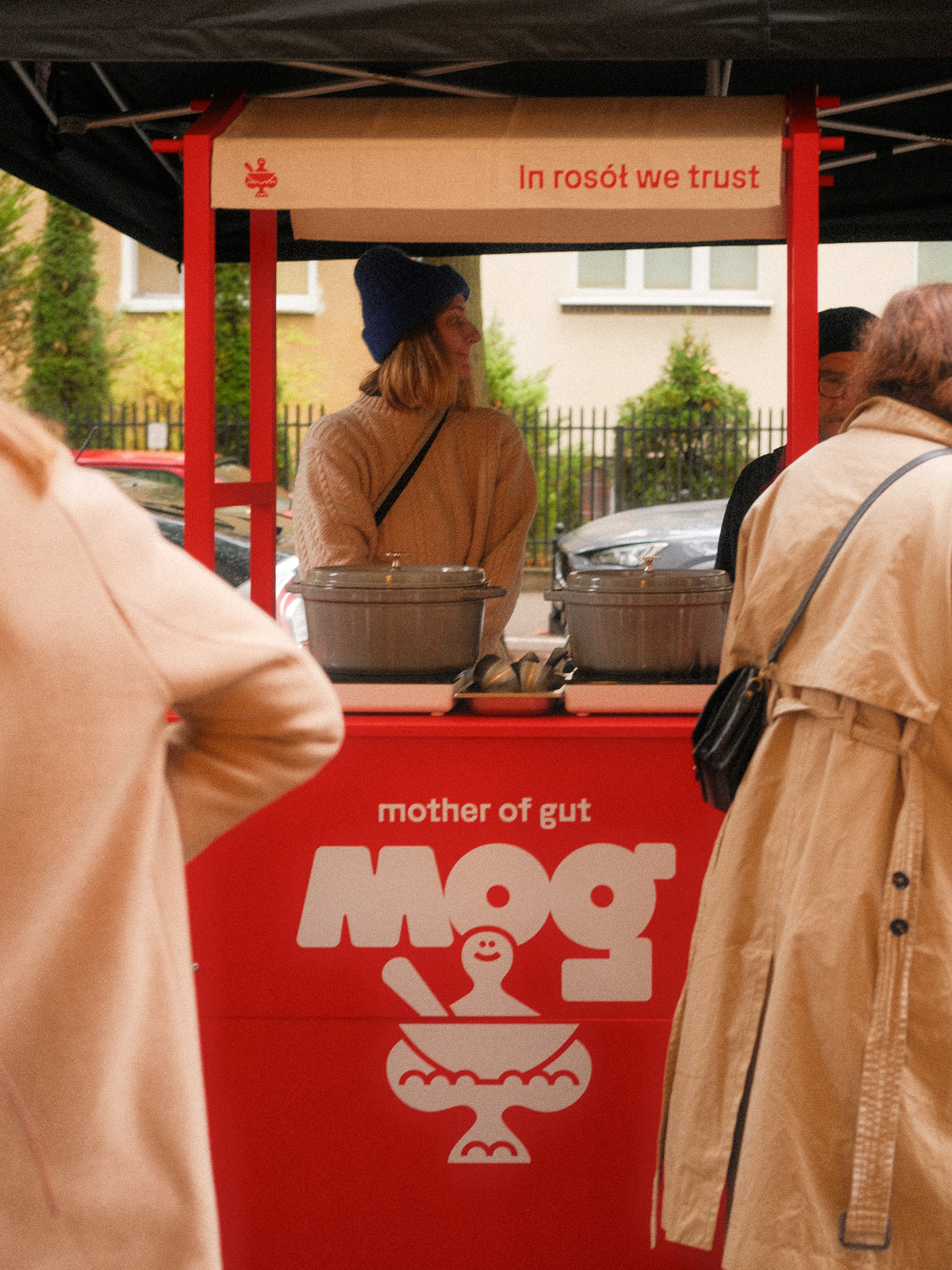
The booth decides whether shoppers come over at all. It is also the most visible part of the whole activation: in event photos and on social media, the booth is what shows your brand. In a store every centimetre counts; at an event, visibility and fast setup matter most.
That is why the look and functionality of the booth matter so much. During an activation, the booth often shapes first impressions of the brand before anyone tries the product. Brand colours, a logo visible from a distance and consistent graphics make it clear at once whose booth it is. What customers don’t see matters too: stock, bins, cables and the team’s belongings should disappear into a cabinet or under the counter. That leaves only the product and the brand in the spotlight.

Compact Oval Counter VC-23
Compact Oval Counter VC-23: works best for small store spaces and short promotions. Size (H × W × D): 95 × 110 × 55 cm. Weight: 28 kg. Tool-free assembly: about 30 min.
The smallest of the three, made for stores that give you little space. Enclosed, lockable storage under the counter holds stock and the team’s belongings, and the countertop takes up to 50 kg. Add the optional upper shelf to display beauty testers, perfume bottles or product packaging. Packed in its carry cases, it fits in a regular car boot.

Branded Event Cart with Canopy VC-11
Branded Event Cart with Canopy VC-11: works in store and at events, when the booth moves often. Size (H × W × D): 200 × 170 × 50 cm (100 cm wide without side tables). Weight: 31 kg. Tool-free assembly: about 25 min.
The canopy catches the eye: you can order it plain, striped, in your colour or with your own graphics and logo. Side tables and shelves give you room for products, testers and samples to hand out. For food sampling, swap the solid countertop for a gastro worktop with 6 GN 1/6 containers.

Large Display Cart VC-29
Large Display Cart VC-29: works in store and at events, when you want a setup that stands out more. Size (H × W × D): 207 × 163 × 55 cm. Weight: 48 kg. Tool-free assembly: about 60 min.
The largest and most visible of the three, and a natural product sampling cart for bigger activations. The front can carry full-surface graphics, and the lockable lower storage holds stock and the team’s belongings. The gastro worktop takes 6 or 12 GN 1/6 containers, so the VC-29 works well when you sample several products at once. The upper shelves give you extra space to display your products.
You can order each model in any RAL or NCS colour with your logo, and see the result straight away in the 3D configurator.
Product sampling ideas for food, drink and beauty
These in-store sampling ideas include food sampling ideas, beauty formats and product demo ideas you can adapt to your brand:
- Pairings. Serve the product with something else from the shelf, such as cheese with the same brand’s jam.
- Perfume on blotters. Shoppers try several scents on paper strips and take home a sample of their favourite.
- Classic vs new. Shoppers compare taste, scent or performance side by side and instantly see what’s new.
- Live demo. Show how a kitchen appliance, cleaning product or gadget works, then let shoppers try it themselves.
- Beauty: tester and a short consultation. Shade or skin-type matching, with a take-home sample in exchange for a newsletter sign-up.
- Sample with instructions. A small portion or a tester, plus a card with a recipe, a tip or a QR code to a video.
- Sample with a coupon. A discount to use at the checkout the same day.
- Vote for the next variant. Shoppers pick a flavour, scent or colour, and the brand collects feedback.
- Seasonal sampling. Barbecue in summer, hot drinks and gift sets in winter.
Plan the booth for your next sampling or brand activation
We design and build booths for tastings, sampling and brand activations, as well as carts and promotional counters, for food, beauty and lifestyle brands and for agencies. Each one can be made in your colour with your logo, and you approve a free design proof before production starts.
See sampling and brand activation booths


FAQ
How much does in-store sampling cost?
It depends on the number of days, staff, amount of product, retailer fees and the booth. A booth you buy once can be reused, so its cost is spread across many campaigns.
Do I need the store’s permission to run a tasting?
Yes. You agree the date, location and booth size with the store manager or the chain’s trade marketing team.
How long should one sampling session last?
Usually a few hours on the busiest days. The store can suggest the best time, as it knows its customers and the area best.
What booth will fit the activation space?
First ask the store, shopping centre or event organiser what size is allowed. For small spaces, a compact counter such as the VC-23, 110 cm wide, works well.
Can one booth work both in store and at events?
Yes, if it is mobile and has interchangeable panels. You change the graphics for each campaign and keep the same structure. Our VC-29 cart is one example: it sits on wheels, and you can order new graphic panels for your next campaign.
How is sampling different from brand activation?
Sampling is one format of brand activation. An activation is any activity where customers experience a brand live: a tasting, a demo, a launch, a pop-up or a booth at an event.
Can I run an alcohol tasting?
It depends on the country. Alcohol tastings are restricted or banned in many countries, so check local rules before you plan.
How do I run beauty sampling in store?
The same way as a tasting: with the store’s approval, a trained team and a booth. On top of that, you need tester hygiene (disposable applicators, sanitiser), a mirror, good lighting and take-home samples.
Do you ship outside Poland?
Yes, we ship to more than 35 countries.